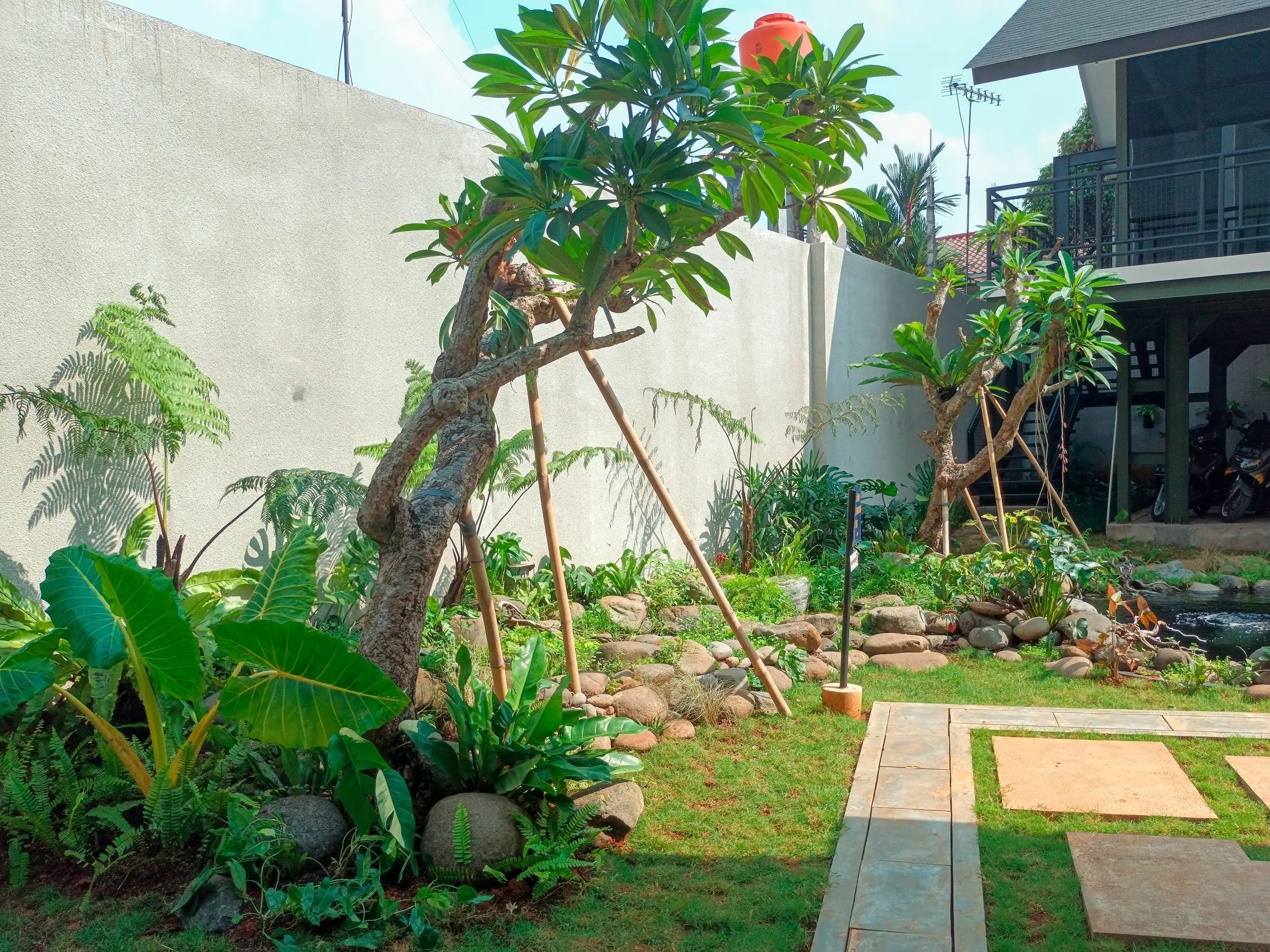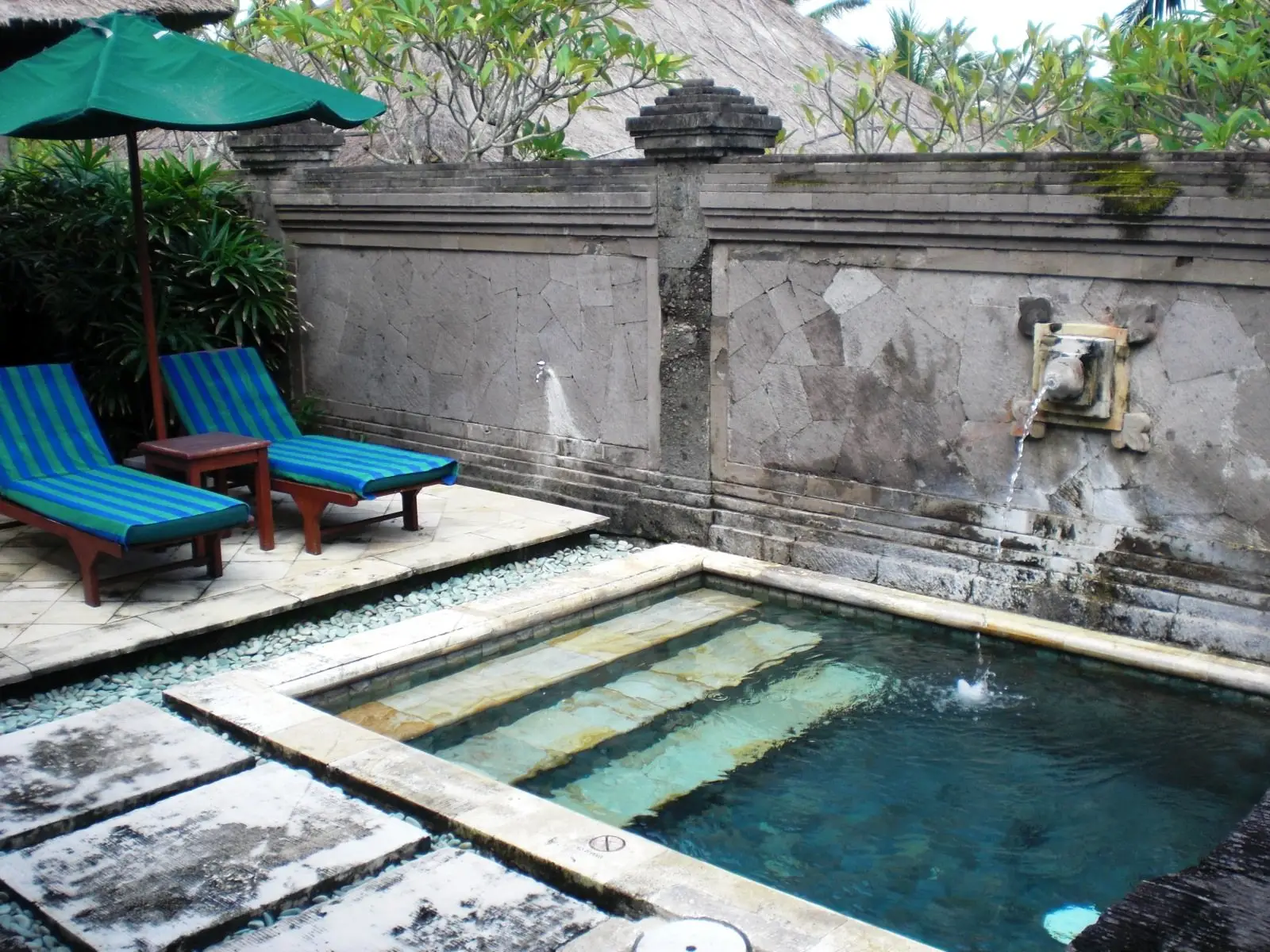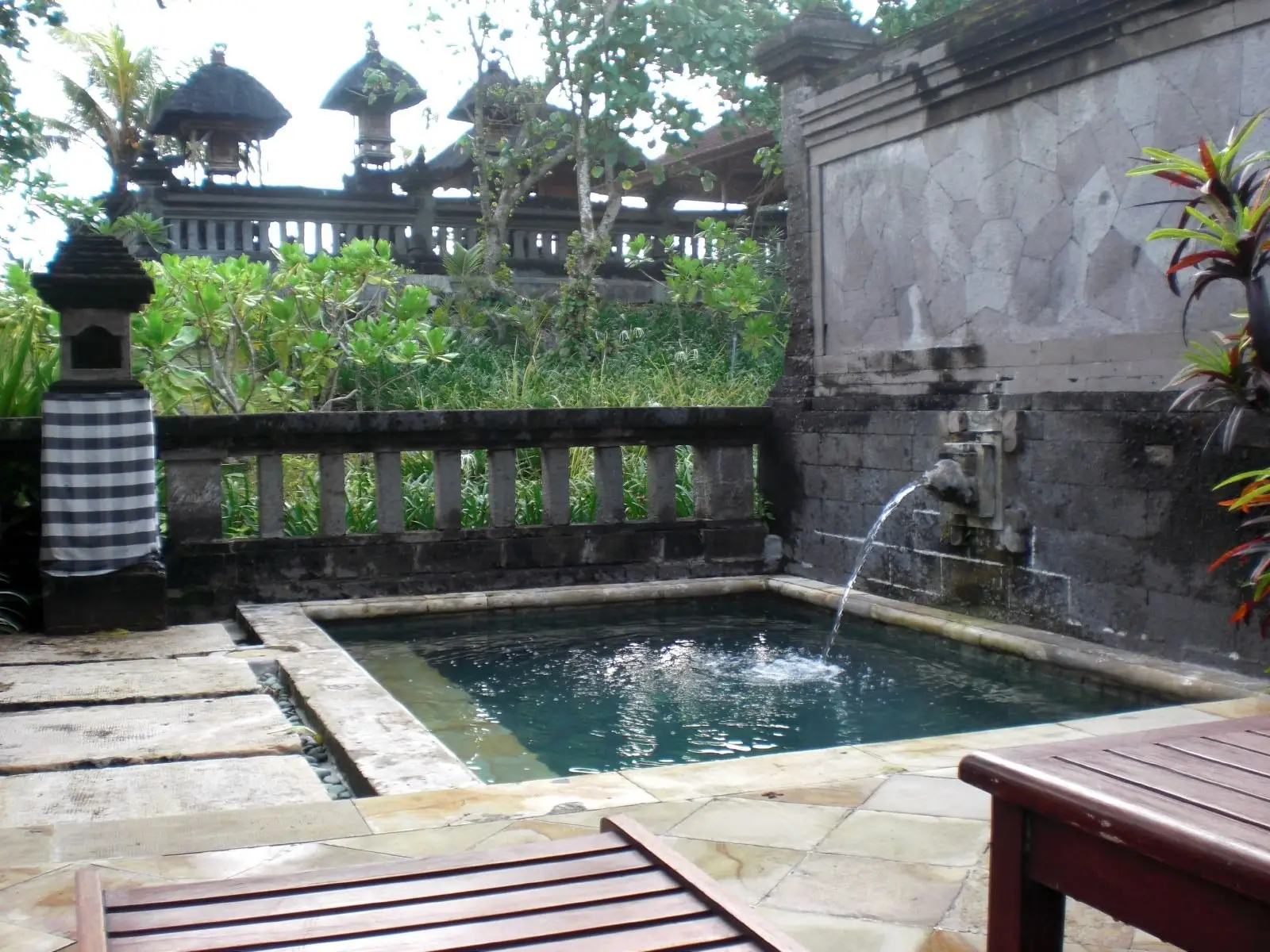
Sample article for the design preview. It will be replaced by the studio’s own writing.
Every material in Bali is tested by the same three things: humidity that never really leaves, salt carried inland by the wind, and rain that arrives sideways for an hour and then stops. A finish that looks perfect at handover can look tired by the second wet season.
Volcanic stone
Paras and andesite take on moss and darken at the base of a wall. We plan for that rather than fight it: a deeper plinth, a drip edge above, and a joint that lets water out instead of holding it.
Reclaimed teak
Old teak has already moved as much as it is going to. Used for doors, screens and joinery, it stays straight where new timber would twist, and it carries the marks of a building that came before.
A material that ages well is one you would not want to replace.